


On October 15, 2026, the World Energy Storage Conference 2026 was held in Ningde, Fujian Province, China. Continuing its permanent theme of “Zero Carbon · Technology,” this year’s conference adopted the annual theme “Smart Energy Storage, A New Journey; Green Energy, Powering the World.” The event was jointly organized by the Equipment Industry Development Center of the Ministry of Industry and Information Technology, the Fujian Provincial Department of Industry and Information Technology, and the Ningde Municipal People’s Government.
Fu Jinjian, General Manager of Guangzhou Zhiguang Energy Storage Technology Co., Ltd., was invited to attend the conference and deliver a keynote speech titled Exploring the Full-Lifecycle Value of New Energy Storage and Strategies for Market-Oriented Development.
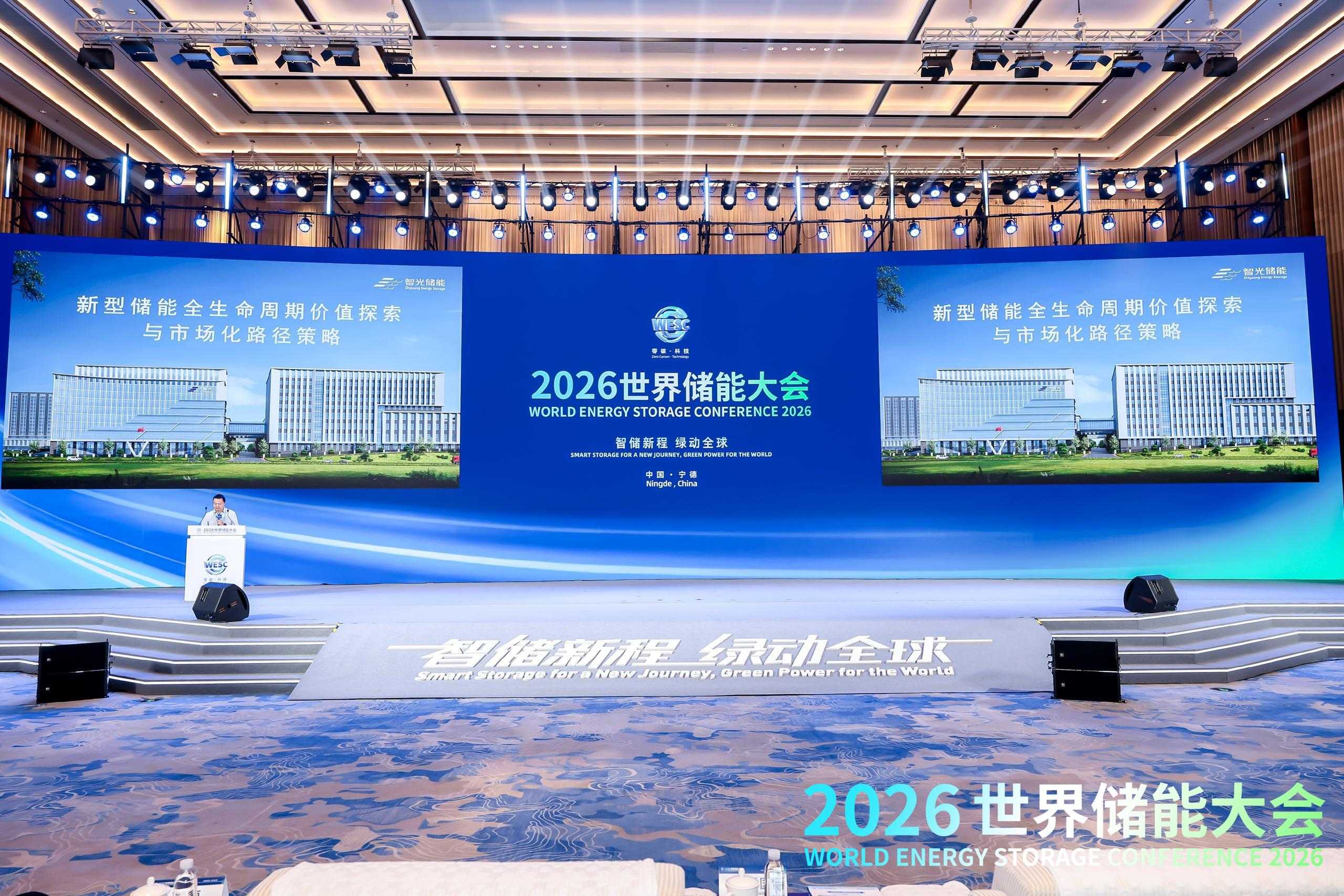
Fu provided a systematic assessment of the policy and market landscape facing the new energy storage industry. China’s cumulative installed capacity of renewable energy has reached 48.31% of the country’s total installed power generation capacity, while new installations have declined and growth has slowed. Policy Document No. 136 is accelerating the shift from mandatory energy storage deployment to market-driven adoption, as policy-based electricity pricing mechanisms are gradually phased out. Meanwhile, Policy Document No. 114 is advancing the implementation of capacity compensation mechanisms while imposing increasingly stringent performance requirements. In the short term, the industry faces dual pressures from declining revenues and rising costs.
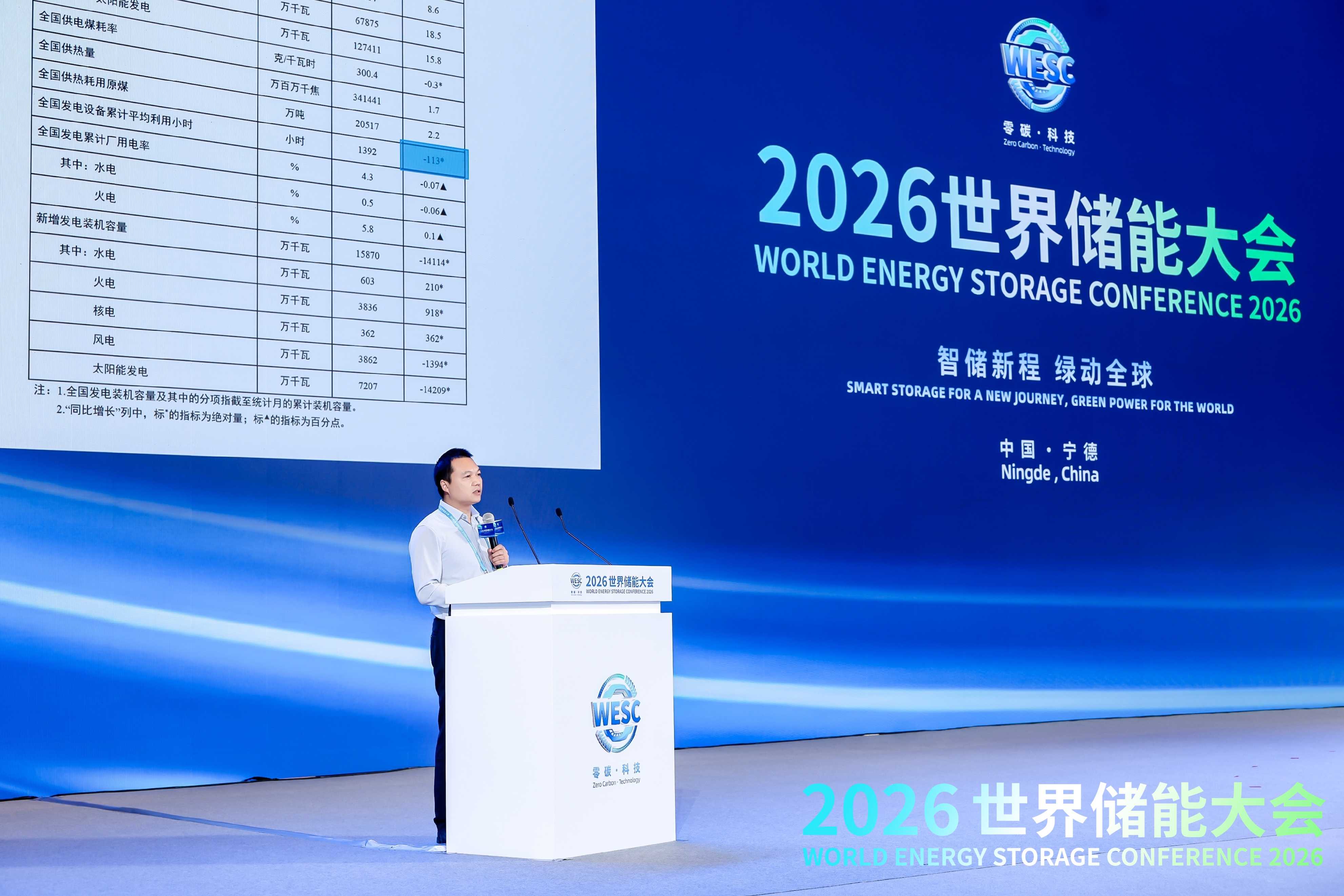
He noted, however, that fundamental policy tailwinds are building. China’s 15th Five-Year Plans for the Development of a New-Type Power System and the Development of a New Energy System set a target of 300 GW of installed new energy storage capacity nationwide by 2030. They also call for approximately 80 GW of additional grid-side independent energy storage capacity capable of supporting peak demand, with an equivalent peak-shaving duration of four hours. The firm capacity contribution of wind and solar power plants is generally expected to be no less than 10%. Meanwhile, energy storage is expected to unlock its full potential across multiple applications, including peak shaving, frequency regulation, voltage regulation, emergency backup, ramp-rate control, and black start. These developments point to promising prospects for the industry during the 15th Five-Year Plan period (2026–2030).
Addressing market-oriented development strategies, Fu emphasized a central principle: product performance is the most effective tool for mitigating revenue uncertainty. In the electricity energy market, higher system efficiency amplifies value; in the ancillary services market, competition on the “k-factor” directly translates into revenue competition; and in capacity-based revenue models, discharge duration underpins the fundamental value of energy storage. Revenue models are evolving from single-source peak-valley arbitrage toward a diversified combination of electricity energy trading, ancillary services, and capacity compensation. Accordingly, industry competition is shifting away from price alone toward comprehensive value creation through product capabilities, efficiency, performance, operations and maintenance, and operational excellence.
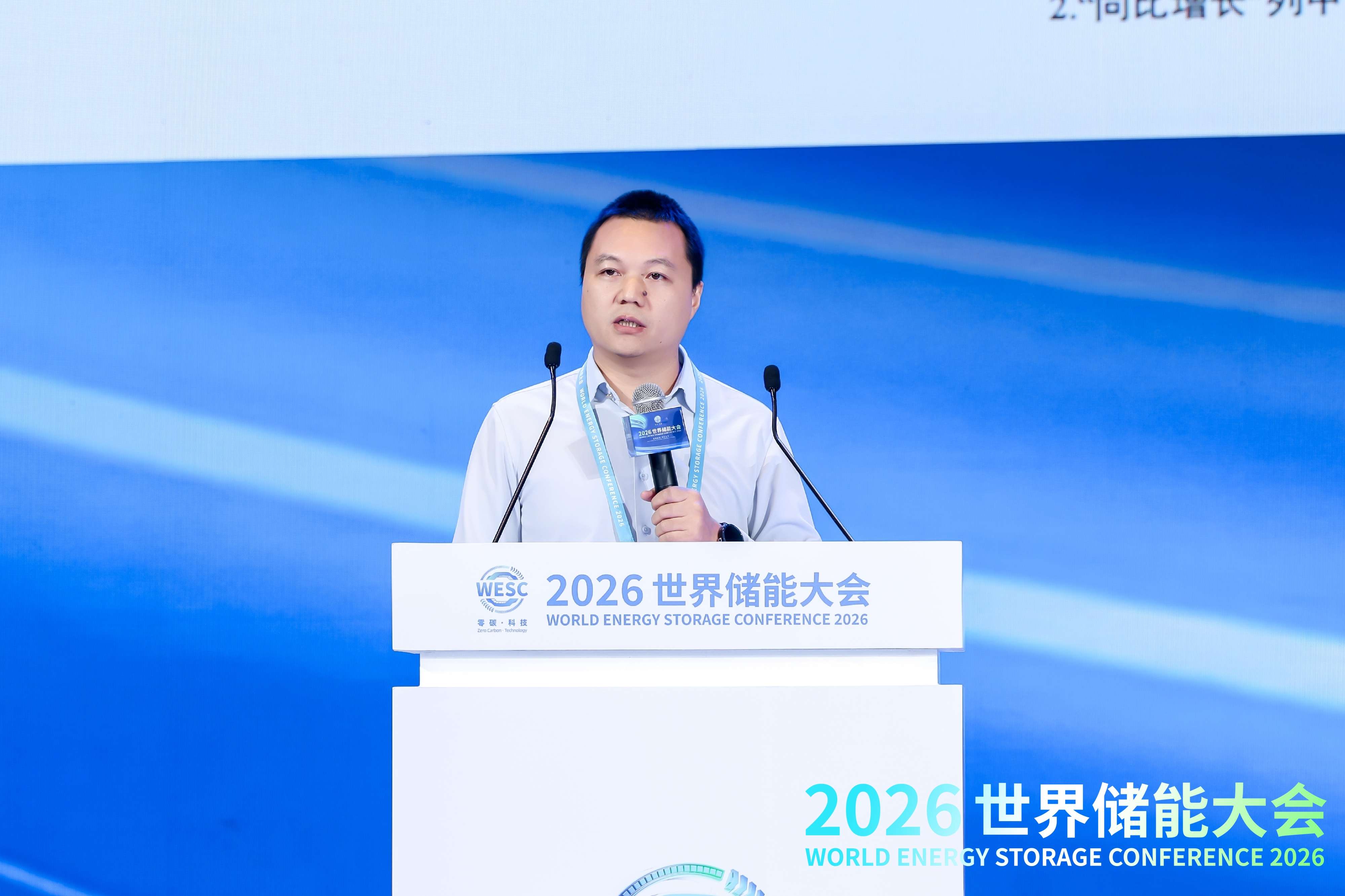
Drawing on Zhiguang’s practical experience, Fu highlighted the company’s technological achievements in cascaded high-voltage, large-capacity energy storage. Its 35 kV grid-forming cascaded high-voltage energy storage system connects directly to 6–35 kV busbars without a transformer. It supports autonomous grid-forming, wide-frequency oscillation suppression, high- and low-voltage ride-through, and black start, making it suitable for a broad range of applications, including grid-connected systems, microgrids, and islanded operation.
Zhiguang’s cascaded high-voltage direct-connected system can achieve single-unit power ratings of up to 100 MW, reduce engineering costs by 8%, and cut land requirements by 20%. Its round-trip efficiency exceeds 92%, while its annual overall efficiency is 6–10 percentage points higher than that of conventional low-voltage solutions. Using a 200 MW/800 MWh project as an example, Fu demonstrated the economic impact of improving charging and discharging efficiency from 85% to 90%, clearly illustrating the principle that efficiency translates directly into revenue.
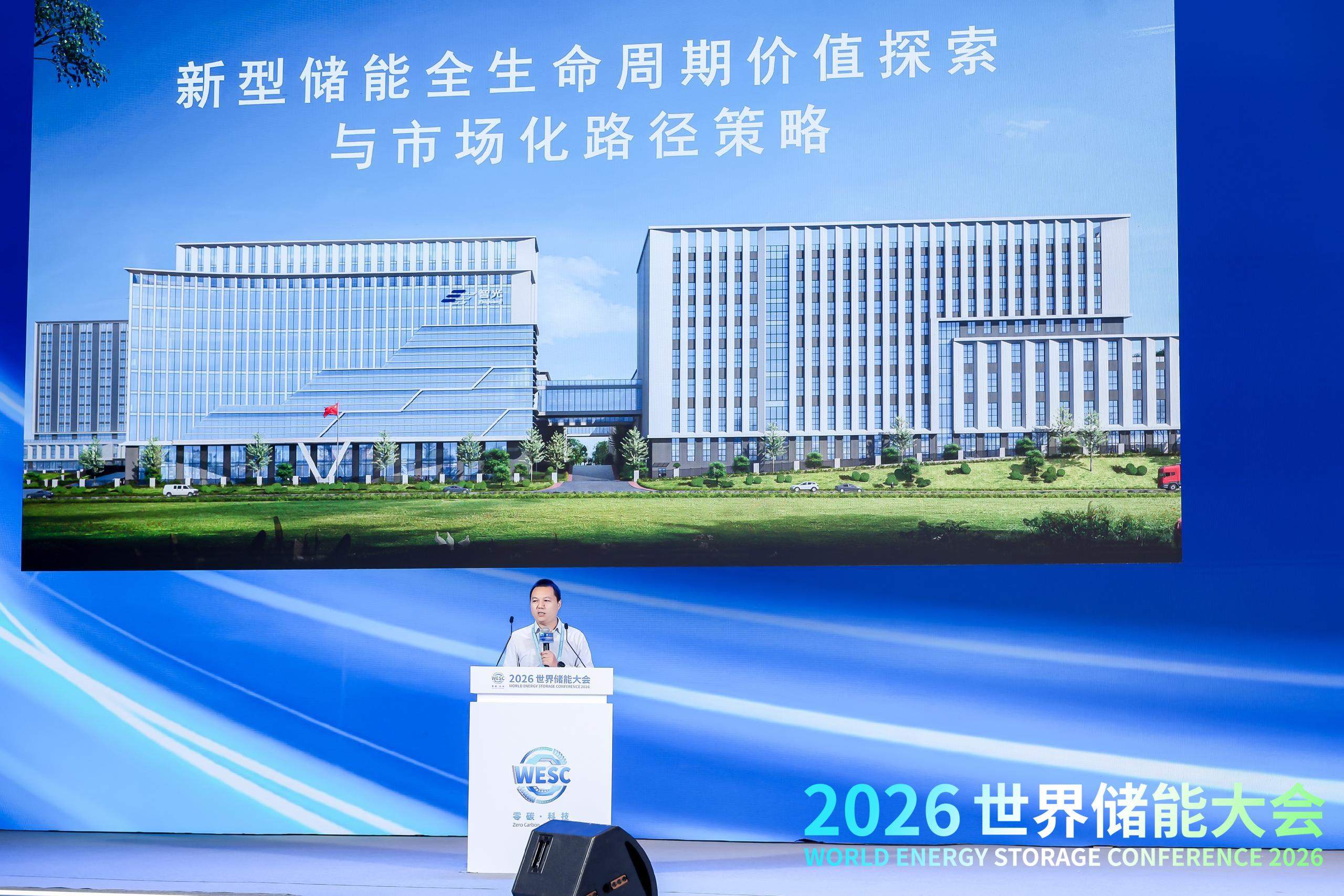
Fu stated that, as an advocate and pioneer of cascaded high-voltage, large-capacity energy storage technology, Zhiguang Energy Storage commands a market share of over 70% in cascaded high-voltage energy storage. The cumulative capacity of its projects constructed and commissioned has exceeded 15 GWh, and more than 30 utility-scale energy storage plants with capacities in the hundreds of megawatts have been delivered and put into operation.
Looking ahead, Zhiguang Energy Storage will continue to drive value creation through technological innovation, promote the deeper integration of new energy storage into China’s new-type power system, and contribute its “Zhiguang Solution” to the global green energy transition.
